
Genetic and Environmental Factors
The exact causes of Autism Spectrum Disorder (ASD) remain the subject of extensive research, but evidence indicates that a combination of genetic and environmental factors play a role. Here’s an overview of both aspects:
Genetic Factors:
1. Inherited Traits: Studies of families have shown that siblings of a child with autism have a higher chance of also having autism or related traits. This suggests a genetic predisposition to ASD.
2. Gene Mutations: Some cases of autism have been linked to certain genetic mutations. However, many of these mutations occur spontaneously and aren’t inherited. Additionally, having one of these mutations doesn’t guarantee an autism diagnosis; it merely increases the risk.
3. Complex Interplay: It’s believed that multiple genes, potentially interacting with one another, contribute to the risk of ASD. It’s not typically a result of one specific gene but rather a combination of genetic factors.
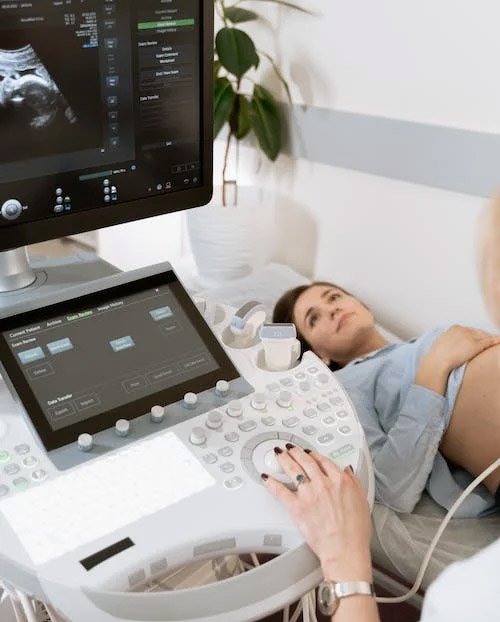
Environmental Factors:
It’s essential to clarify that “environmental” in this context doesn’t solely mean pollutants or external surroundings. It encompasses any non-genetic influence on development, including experiences in the womb.
1. Prenatal Exposures: Some exposures during pregnancy have been associated with an increased risk of autism. These can include certain medications, infections, or conditions like gestational diabetes.
2. Age of Parents: Older parental age at the time of conception has been associated with a higher risk of autism in offspring, though the reasons for this association aren’t entirely clear.
3. Birth Complications: Premature birth, low birth weight, or certain complications during childbirth might increase the risk of ASD, although they are not direct causes.
4. Exposure to Heavy Metals and Pollutants: There have been discussions and some studies suggesting that exposure to certain heavy metals (like lead) and environmental pollutants might be associated with a higher risk of ASD, but conclusive evidence is still being explored.
Combining Genetic and Environmental Factors:
1. Epigenetics: This refers to changes in gene activity without altering the DNA sequence. Epigenetic changes can be influenced by environmental factors and can play a role in the development of disorders, potentially including ASD.
2. Gene-Environment Interactions: Some environmental factors might increase the risk of autism only in the presence of certain genetic susceptibilities. It’s the interaction between genes and environment that might influence the risk.
A Word of Caution:
While numerous factors are being researched, it’s essential to approach the topic with caution and skepticism, particularly regarding misinformation. For instance, vaccines have been thoroughly studied, and no reliable scientific evidence supports the notion that vaccines cause autism. It’s vital to differentiate between well-supported theories and those that aren’t backed by rigorous scientific evidence.
In summary, autism’s etiology is complex and multifaceted, involving a combination of genetic predispositions and environmental influences. However, no single cause has been identified, and ongoing research aims to provide clearer answers.