
Mining Basics: What It Is and How It Works
Cryptocurrency mining is a crucial concept in the world of decentralized digital currencies, especially for proof-of-work-based cryptocurrencies like Bitcoin. Let’s break down the basics:
What is Cryptocurrency Mining?
Cryptocurrency mining is the process by which new coins are introduced into circulation and transactions are added to the public ledger, known as the blockchain. Miners use computational power to solve complex mathematical puzzles. When they solve these puzzles, they’re rewarded with cryptocurrency coins, and the transactions they’ve confirmed are added to the blockchain.
How Does It Work?
1. Transaction Verification: People send and receive cryptocurrencies all the time. These transactions aren’t immediately considered “confirmed.” They first need to be verified and added to the blockchain, ensuring they’re legitimate. Miners perform this verification.
2. Proof-of-Work and Mining Difficulty: To add a block (a group of transactions) to the blockchain, miners must solve a cryptographic puzzle. This puzzle requires guessing a specific number (called a nonce) that, when hashed with the transaction data, produces a result that matches certain criteria. This process is computationally intensive and is known as proof-of-work. The difficulty of the puzzle adjusts over time, ensuring that blocks aren’t added too quickly or slowly, regardless of how much computing power miners have.
3. Mining Rewards: Once a miner successfully solves the puzzle and adds a block to the blockchain, they’re rewarded with a certain number of newly minted (or “mined”) cryptocurrency coins. This reward acts as both an incentive for miners to continue securing the network and as a way to introduce new coins into circulation.
4. Mining Pools: Because the difficulty of mining can be very high, individual miners often group together to combine their computational power. These groups are known as mining pools. When the pool successfully mines a block, the reward is divided among its members, typically based on each member’s contributed computational power.
Requirements for Mining:
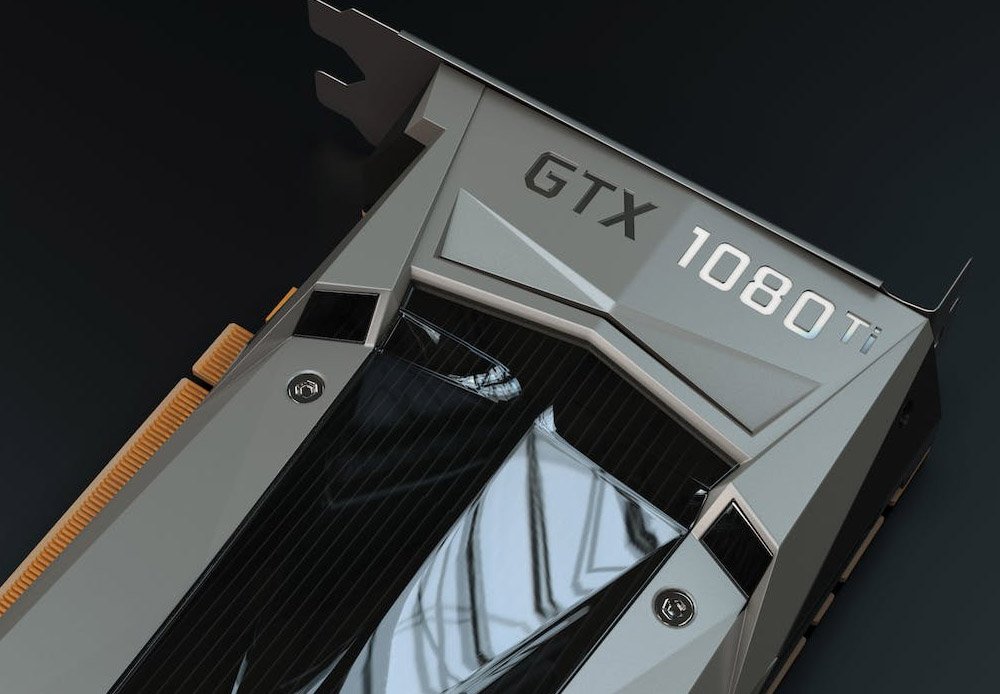
1. Hardware: Over time, as mining difficulty increased, specialized hardware known as ASICs (Application-Specific Integrated Circuits) became popular. These are designed solely for mining cryptocurrencies. However, in the early days, regular CPUs and then GPUs were sufficient.
2. Software: Miners also need specialized software that allows them to interact with the network of their chosen cryptocurrency, manage their mining hardware, and collaborate within mining pools.
3. Electricity: Mining consumes a lot of electricity. The energy cost can often determine the profitability of the mining operation.
4. Internet Connection: A stable and fast internet connection is crucial for real-time updates and submitting found blocks.
Considerations:
1. Environmental Concerns: Given the energy-intensive nature of mining, especially for cryptocurrencies like Bitcoin, there are significant environmental concerns related to the carbon footprint and overall energy consumption.
2. Profitability: As more people join the mining community and as the fixed rewards for mining decrease over time (e.g., Bitcoin halvings), the profitability of mining can vary. Factors influencing profitability include electricity costs, hardware efficiency, and the price of the cryptocurrency being mined.
3. Alternatives to Proof-of-Work: Due to environmental concerns and scalability issues, many newer cryptocurrencies use different consensus algorithms, like proof-of-stake or delegated proof-of-stake, which don’t require the same energy-intensive computations.